


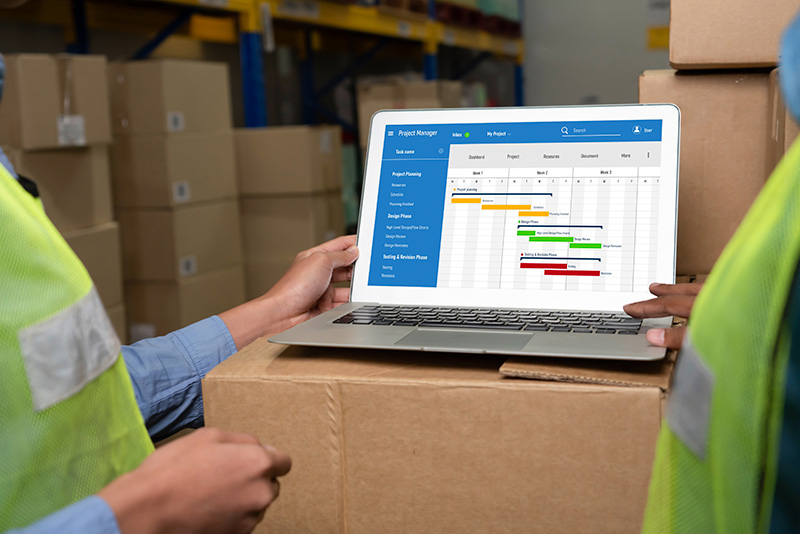
In today’s business world, logistics plays a crucial role in the success of any company. Efficiency and effectiveness in supply chain management can make the difference between a successful company and one that struggles to stay afloat. In this context, ERP (Enterprise Resource Planning) emerges as a fundamental tool. But what exactly is ERP in logistics? In this post, we will explore this question in depth, analyzing what a logistics ERP does, how important it is, and what the ERP record involves.
What does ERP do in Logistics?
Logistics ERP is an integrated system that manages and coordinates all activities related to a company’s supply chain. This includes everything from the acquisition of raw materials to the final delivery of the product to the customer. ERP integrates various business functions into a single system, facilitating the flow of information among all areas of the organization. Below are some of the main functions of ERP in logistics:
Inventory Management
One of the most critical functions of ERP in logistics is inventory management. This system allows companies to maintain strict control over their stock, ensuring that there is always enough inventory to meet demand without incurring excessive costs due to overstocking. In addition, ERP makes it easier to identify slow-moving products, helping to optimize storage space.
Production Planning
ERP is also essential for production planning. By integrating information from various areas such as sales, inventory, and purchasing, ERP enables companies to plan their production processes more efficiently. This helps minimize production times and avoid bottlenecks, ensuring on-time delivery of products.
Order Management
Another key function of ERP in logistics is order management. The system enables the efficient capture and tracking of customer orders, from the moment the order is placed until its final delivery. This not only improves customer satisfaction by ensuring on-time deliveries, but also reduces errors and costs associated with manual order management.
Transportation Optimization
ERP in logistics also optimizes transportation, facilitating route planning and fleet management. This helps reduce transportation costs and improve efficiency in product delivery. In addition, the system enables real-time shipment tracking, providing visibility and control over the entire supply chain.
How important is ERP in Logistics?
Implementing an ERP in logistics offers numerous benefits that are crucial to a company’s success. Here we highlight some of the main reasons why ERP is important in logistics:
Improved Operational Efficiency
One of the most evident benefits of ERP in logistics is the improvement in operational efficiency. By integrating all functions related to the supply chain into a single system, ERP eliminates the need for multiple disparate systems, reducing errors and improving data consistency. This allows companies to operate more efficiently and respond more quickly to changes in the market.
Cost Reduction
ERP helps reduce costs in various areas of logistics. For example, inventory optimization and improved production planning can reduce storage and production costs. Likewise, transportation optimization and efficient order management can lower shipping costs and delivery errors.
Improved Decision-Making
ERP provides companies with a comprehensive, real-time view of their logistics operations. This facilitates informed decision-making based on accurate, up-to-date data. Managers can quickly identify potential problems and improvement opportunities, enabling proactive rather than reactive management.
Increased Customer Satisfaction
Improved efficiency and reduced errors in the supply chain translate into higher customer satisfaction. Orders are processed and delivered more quickly and accurately, which improves the customer experience and can lead to greater loyalty and retention.
Regulatory Compliance and Security
ERP also helps companies comply with regulations and standards related to logistics. By maintaining an accurate and complete record of all logistics activities, companies can ensure regulatory compliance and improve security in the supply chain.
What is the ERP Record?
The ERP record is a fundamental part of the implementation and operation of an ERP system in logistics. This term refers to the capture, storage, and management of all data related to logistics operations within the ERP system. Below are some key aspects of the ERP record:
Data Capture
The ERP record begins with the capture of data from various sources within the organization. This includes data on inventory, production, orders, transportation, and other aspects of logistics. Accurate and timely data capture is essential to ensure that the ERP system provides reliable and useful information.
Data Storage
Once captured, the data is stored in a centralized database within the ERP system. This database acts as a single repository of information, eliminating redundancy and ensuring data consistency. In addition, centralized storage facilitates access to and retrieval of information by different system users.
Data Management
Data management is a critical part of the ERP record. This involves updating, maintaining, and protecting the stored data. The ERP system must ensure that the data is always up to date and accurate, and must provide mechanisms to protect the information against unauthorized access and data loss.
Analysis and Reporting
The ERP record also includes the ability to analyze stored data and generate reports. Analyses and reports provide valuable information that can help companies make informed decisions and improve their logistics operations. ERP enables the creation of customized reports that can be tailored to the specific needs of the organization.
Data Integrity and Security
Data integrity and security are fundamental aspects of the ERP record. The system must implement robust measures to ensure that data is accurate and protected against unauthorized alterations. In addition, it must guarantee the confidentiality of information, especially when dealing with sensitive data related to logistics.
Regulatory Compliance
The ERP record also helps companies comply with applicable regulations and standards. By maintaining a detailed and complete record of all logistics activities, ERP facilitates auditing and regulatory compliance. This is particularly important in highly regulated industries where non-compliance can result in significant penalties.
In summary, ERP in logistics is an essential tool that allows companies to manage and optimize their logistics operations efficiently. From inventory management and production planning to order management and transportation optimization, ERP integrates all logistics functions into a single cohesive system. The importance of ERP in logistics lies in its ability to improve operational efficiency, reduce costs, enhance decision-making, and increase customer satisfaction. In addition, the ERP record is essential to ensure the proper capture, storage, and management of logistics data, providing a solid foundation for analysis and decision-making. In an increasingly competitive business environment, implementing an ERP in logistics can be the key to achieving success and maintaining a competitive edge.


